



10 Common Canada Study Permit Mistakes (And How to Avoid Them in 2026)
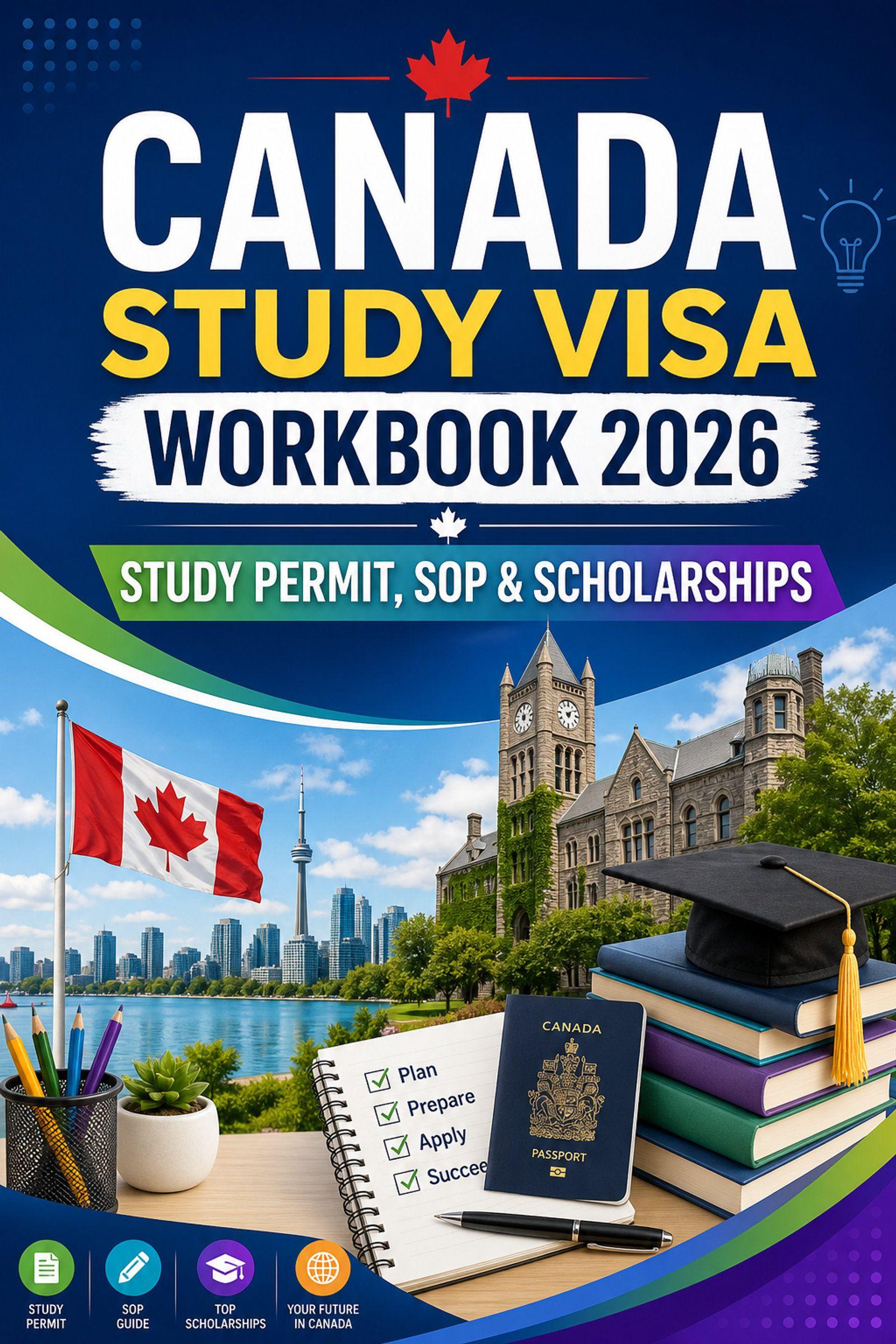
Canada Study Permit Guide 2026
10 Common Canada Study Permit Mistakes (And How to Avoid Them in 2026)
Every year, thousands of students dream of studying in Canada, but many study permit applications are delayed or refused because of avoidable mistakes.
The good news is that most of these issues can be prevented with proper planning and preparation.
In this guide, we'll cover the 10 most common Canada study permit mistakes and explain how you can avoid them.
1. Writing a Generic Statement of Purpose (SOP)
One of the biggest mistakes applicants make is copying SOP templates from the internet.
Your SOP should tell your own story and clearly answer:
Why did you choose this course?
Why did you choose this institution?
Why Canada?
How does this program support your career goals?
What are your plans after graduation?
A personalized SOP demonstrates genuine intent and strengthens your application.
2. Providing Weak Financial Documentation
Showing a bank balance alone is often not enough.
Your financial documents should clearly explain:
Source of funds
Tuition payment plan
Living expenses
Sponsor information (if applicable)
Supporting financial evidence
Clear and transparent documentation increases credibility.
Click here to gain acces to Your Canada Study Guide Kit for International students Click Here
3. Choosing a Program That Doesn't Match Your Background
If your chosen course appears unrelated to your previous education or work experience, explain your reasons clearly.
Your application should demonstrate a logical academic or professional progression.
4. Failing to Explain Your Career Goals
Many applicants explain why they want to study but forget to explain what they plan to do after graduation.
A strong application connects:
Previous education
Canadian studies
Future career plans
Long-term professional goals
5. Submitting Incomplete Documents
Missing documents can delay processing or weaken your application.
Before submitting, carefully review every requirement and organize your documents properly.
Using a checklist can help reduce mistakes.
6. Not Demonstrating Strong Home Country Ties
Visa officers need to understand your long-term plans.
Your application may include evidence of:
Family connections
Employment history
Business interests
Property ownership
Future career opportunities
Professional commitments
Providing context helps explain your overall situation.
7. Providing Inconsistent Information
Conflicting dates, employment history, education records, or financial information can create unnecessary concerns.
Always double-check every document before submission.
Consistency builds credibility.
8. Ignoring Scholarship Opportunities
Many students never research scholarships that could reduce education costs and strengthen their financial planning.
Start researching scholarships early and prepare your applications carefully.
9. Not Preparing for Arrival in Canada
Getting approved is only the beginning.
Students should prepare for:
Accommodation
Budget planning
Banking
Transportation
Important documents
Pre-departure planning
Emergency contacts
Preparation reduces stress after arrival.
10. Applying Without a Structured Plan
Many applicants collect documents randomly instead of following a clear process.
A structured preparation system helps you stay organized and avoid costly mistakes.
Planning ahead often saves significant time and reduces unnecessary stress.
Prepare Smarter with the Canada Study Permit Success Workbook
If you're preparing your Canada study permit application, having a structured roadmap can make the entire process easier.
Our Canada Study Permit Success Workbook includes:
Step-by-step planning worksheets
SOP preparation guidance
Scholarship planning tools
Student budget planners
University research worksheets
Practical checklists
Self-assessment exercises
Reflection prompts
Pre-departure planning resources
Whether you're applying for the first time or reapplying after a refusal, the workbook is designed to help you stay organized and prepare with confidence.
Final Thoughts
A successful Canada study permit application isn't about luck—it's about preparation.
Avoiding common mistakes, submitting accurate documentation, and presenting a clear academic plan can significantly strengthen your application.
Take the time to prepare properly, review every document carefully, and approach the process with confidence.
The effort you invest before applying can make a meaningful difference in your study abroad journey. Click Here To acquire your study Kit . No agency Needed Click me
Make Your Business Online By The Best No—Code & No—Plugin Solution In The Market.
30 Day Money-Back Guarantee
Say goodbye to your low online sales rate!
What is the most common reason for a Canada study permit refusal?
The most common reasons include insufficient proof of funds, a weak or generic Statement of Purpose (SOP), an unclear study plan, inconsistent information, and failure to demonstrate genuine intent to study in Canada. Preparing a complete and well-documented application can significantly improve your chances of success.
Can I apply again after my study permit is refused?
Yes. You can reapply after carefully reviewing your refusal letter and addressing the issues identified by the visa officer. Strengthening your SOP, improving your financial documentation, and providing additional supporting evidence can make your new application more compelling.
How important is the Statement of Purpose (SOP)?
The Statement of Purpose is one of the most important parts of your study permit application. It should clearly explain why you chose your program and institution, your academic and career goals, why you want to study in Canada, and how your education will support your future plans.
How much proof of funds do I need for a Canada study permit?
The required amount depends on current immigration requirements, your tuition fees, living expenses, and personal circumstances. Always check the latest official guidelines and ensure your financial documents clearly demonstrate that you have sufficient funds to support your studies and stay in Canada.
How can I improve my chances of getting approved?
Submit a complete and honest application with a strong SOP, genuine financial evidence, consistent documentation, and a clear study plan. Organizing your documents with checklists and preparing your application carefully can help reduce mistakes and improve your overall application quality.